2026-06-11 20:23:22 商业风云录 2142
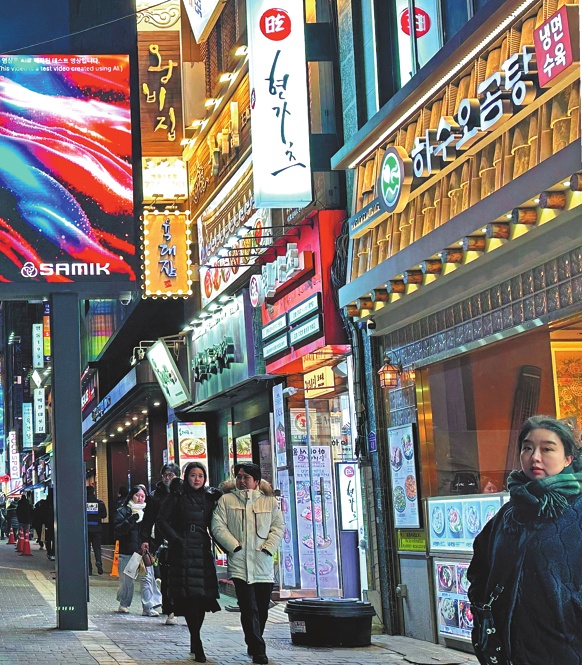
Chinese tourists walk in a shopping street in Seoul,保山新闻网比赛 capital of South Korea, on Dec 26. LIU JUN/FOR CHINA DAILY
Seoul's winter festivities have eclipsed Tokyo's iconic celebrations, abruptly ending the Japanese capital's long reign as the top New Year's destination for Chinese travelers going overseas.
Over the holiday period (Jan 1-3), South Korea emerged as the number one outbound destination for visitors from the Chinese mainland, while Japan, once a perennial favorite, dropped entirely out of the top 10, several major travel agencies reported.
Data from travel platforms and aviation analysts showed a clear tilt toward the land of K-pop. According to major online travel agency Trip.com Group, outbound bookings to South Korea during the New Year period soared 68 percent year-on-year, with flight reservations up 42 percent and hotel bookings surging 91 percent.
"The top five destinations were Seoul, Jeju, Busan, Incheon and Seogwipo. Most tourists choosing South Korea were between 25 and 30 years old, a young, experience-seeking demographic," said Wang Jingying, an analyst at Trip.com's research institute.
Data from the China-based civil aviation data service provider Vari-Flight showed that weekly flights from the Chinese mainland to South Korea grew for the fourth straight week, surpassing 1,000 flights in the first week of 2026 — 97.2 percent of pre-pandemic 2019 levels and topping all international routes.
In contrast, flights to Japan during the same period stood at only about 66 percent of the 2019 volume. This is primarily due to the diplomatic tensions caused by Japanese Prime Minister Sanae Takaichi's erroneous remarks on the Taiwan question in the Diet on Nov 7, which were tantamount to issuing a military threat to China over the latter's internal affairs.
Favorable visa policies, geographic convenience, cultural affinity and what some analysts call a "reflection effect" from Japan's stalled tourism appeal have collectively heightened South Korea's allure among Chinese travelers, they said.
"The surge in two-way travel can be attributed to several factors," said Wu Liyun, a professor at the China Academy of Culture and Tourism at Beijing International Studies University. "First, visa-free policies have been a key driver. With mutual visa waivers in place, travel between China and South Korea has clearly entered a new phase." Geographic proximity also strengthens this bond, Wu said, with the two countries historically being key travel markets for one another.
"This advantage has always existed. It's just become more pronounced under the visa-free policy. Japan used to be a favored outbound destination for Chinese citizens, but travel to Japan is now largely stagnant, so more Chinese citizens are turning to South Korea," she added.
TravelSky, a leading aviation and travel data provider in China, reported that during the first week of 2026, traveler numbers in each direction between China and South Korea exceeded 90,000, representing a year-on-year growth of over 35 percent on both sides.
This trend gained recognition during South Korean President Lee Jae-myung's state visit to China in early January. At a bilateral business forum in Beijing, Lee captured the spirit of the exchange, in which leaving work on Friday and flying to Shanghai has become a new trend among South Korean youth, while weekend trips to Seoul have likewise turned into a lifestyle choice for young Chinese. To sustain this two-way warmth, Wu suggested further improvements and extensions of the mutual visa-free policy.
Equally important, she said, are "more people-to-people exchanges tailored to different age groups — study tours, arts, culture and sports", and richer, well-promoted cultural and tourism products that speak to modern interests.
Local tourism businesses in South Korea are already tuning in.
One senior executive of a tourism platform based in South Korea told local media that Chinese tourists are indispensable and called for fostering a welcoming, understanding environment for them.
Analysts like those at Yanolja Research, a private travel and tourism industry institute based in Seoul, project that Chinese visits to South Korea could reach 6.15 million in 2026, with the potential to approach 7 million if the trend holds.

腾讯视频《奋斗吧人生

国家烟草专卖局原副局长张天峰受贿案一审获刑12年

张天峰受贿案,一审宣判!
伊美第三轮间接谈判举行 伊朗提交提案检验美方诚意

《省国资委简报》刊发省股交中心服务皖企北交所上市有益做法
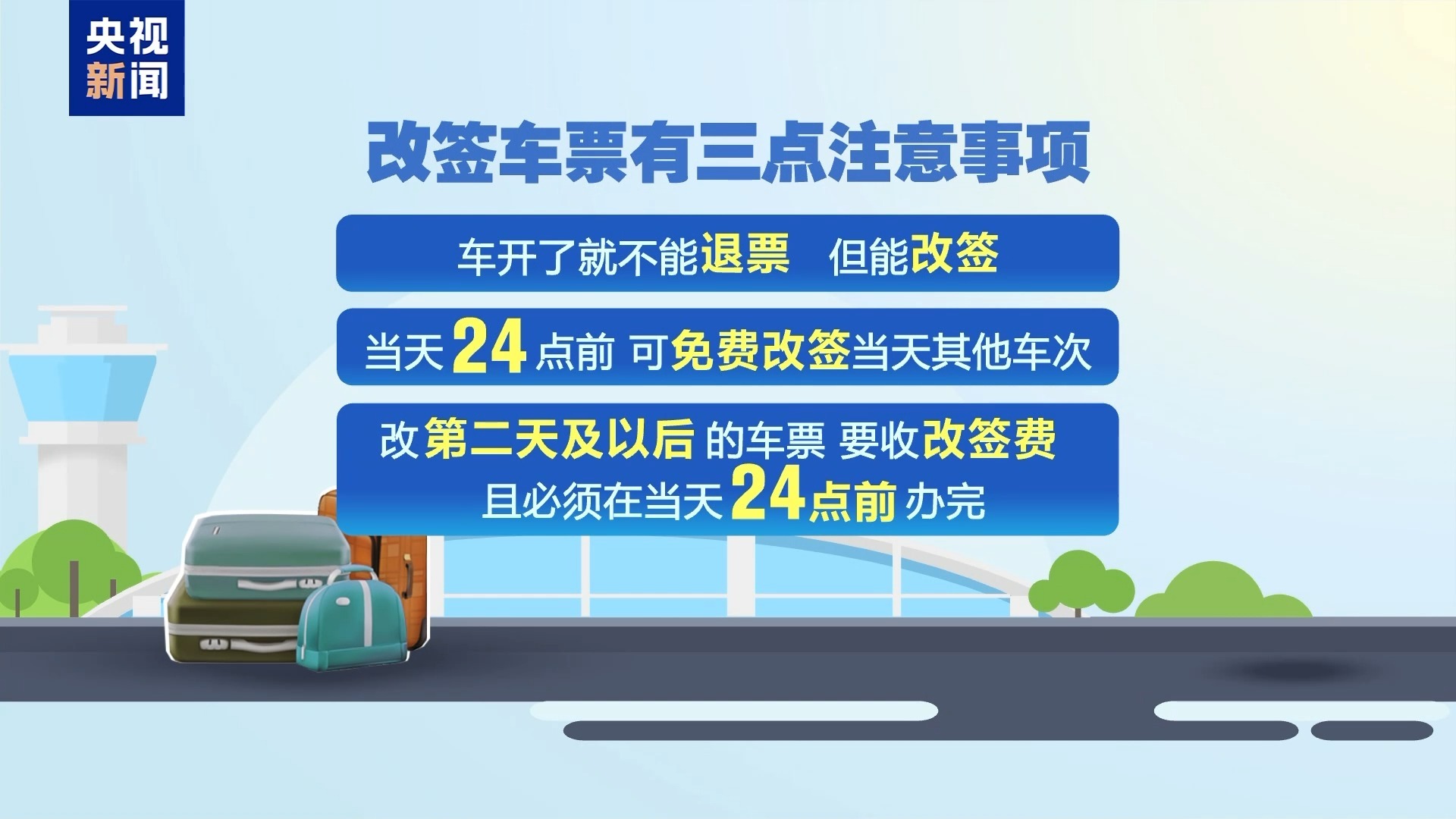
没赶上火车 车票作废吗?这样改签不花冤枉钱→

向新而行!多地“新春第一会”释放哪些信号?

复盘收集120余条意见建议 湖北交警新春首会打响全年攻坚发令枪

房地产税收新政策实施首月新增减免税116.9亿元

马文物为何网上走红?记者赴各地博物馆一探究竟

China's zero

缅北两大犯罪集团,被彻底摧毁!

国开行去年发放基础设施贷款1.53万亿元

13天化解49万工程款纠纷 汉阳法院高效调解获企业点赞
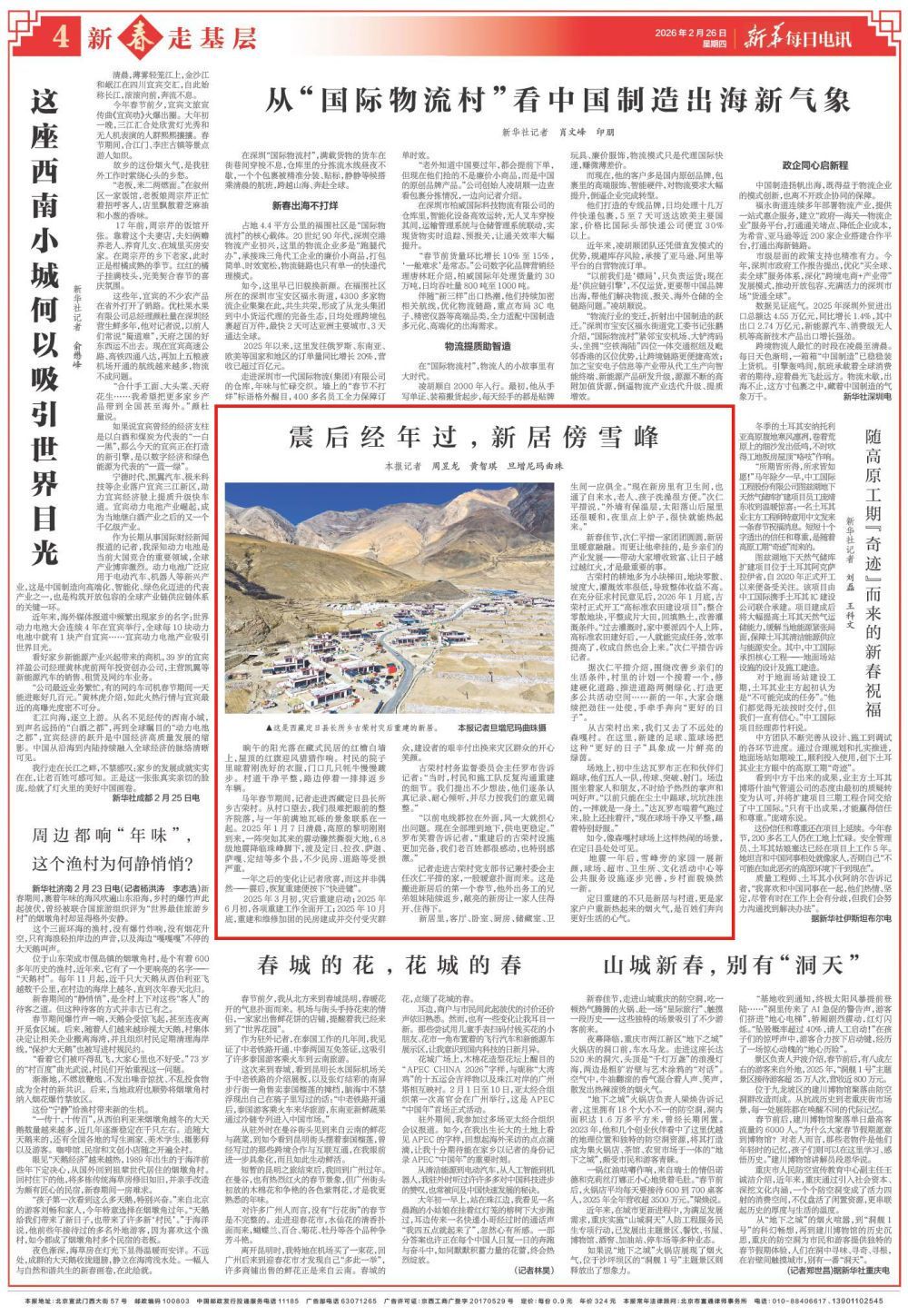
震后经年过,新居傍雪峰|新春走基层

新春首单“马上办” 硚口不动产登记便民驿站常态化运营

灵魂词作家许鹏原创歌曲《毒打》:诗与歌的极致缠缚,让每一寸欲望之火彻底湮灭

同时生产8款新车 柔性生产线产能拉满
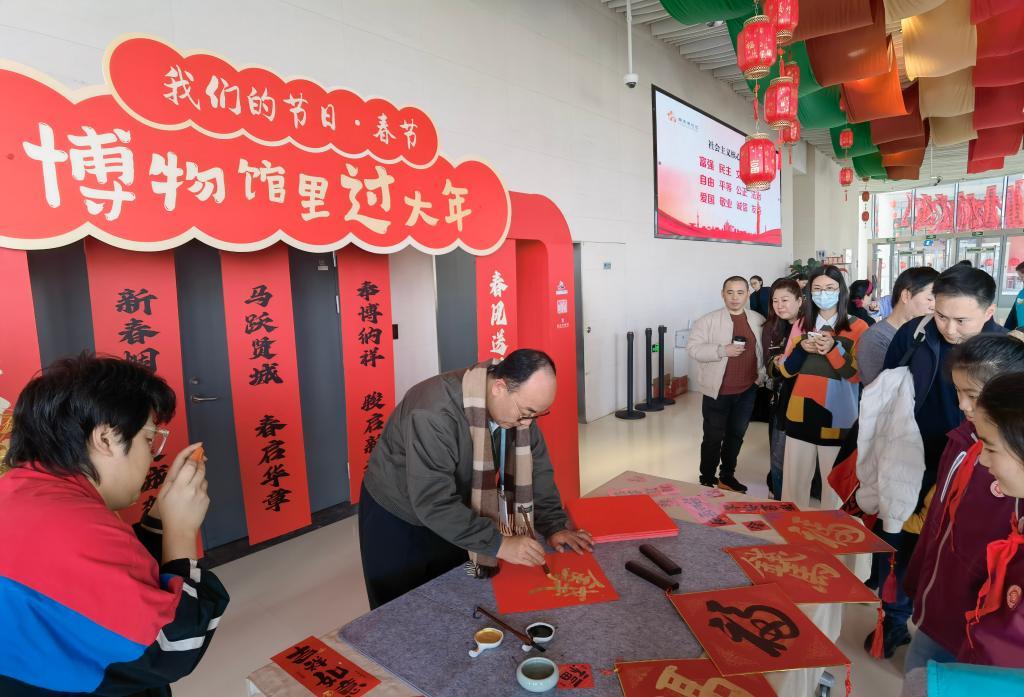
“超级春节假期”文旅市场热气腾腾

舞好“指挥棒” 提速冲“百强” 应城市以科学政绩考核赋能高质量发展

长三角“老手艺”遇上“新匠人”

过完节肩颈僵、腰背痛?这几个动作在家就能做 越练越硬朗→

对话京剧名家王珮瑜:让京剧的“深井”喷涌出时代甘甜
过完节肩颈僵、腰背痛?这几个动作在家就能做 越练越硬朗→